
Rand Clark
Triple Crown Book Series
Thru-Hiker & Author
14 States • 2,200 Miles • 5 Million Steps
Discover Appalachian Trail, God and Life:
A PHYSICAL, MENTAL, AND SPIRITUAL JOURNEY




Discover
My Books
This book prepares future Appalachian Trail hikers not only to walk the miles, but to understand—and embrace—the deeper experience the trail offers.
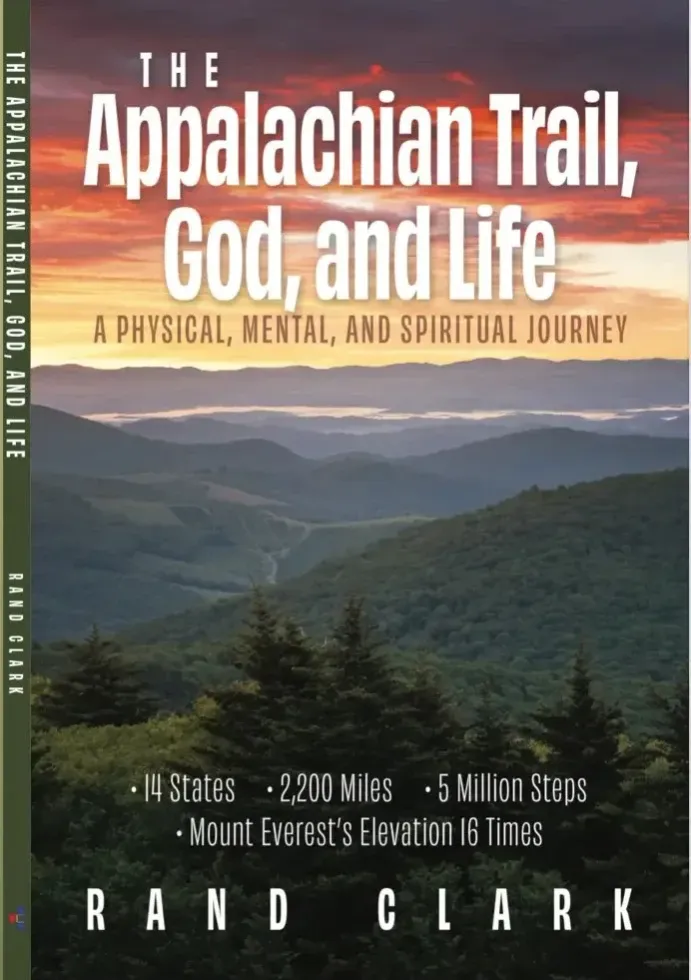

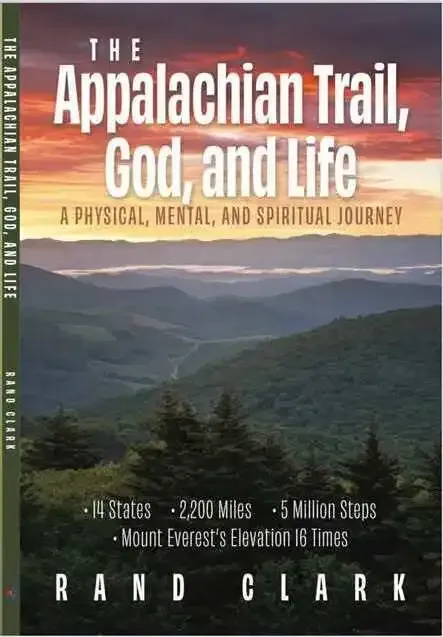
The Appalachian Trail, God and Life is an excellent book for anyone considering hiking the Appalachian Trail because it goes far beyond a typical trail guide or adventure memoir. It speaks directly to the inner journey that so often accompanies a long-distance hike, offering insight, encouragement, and perspective for those standing at the edge of a life-changing decision.
First, the book provides an honest portrayal of what it truly means to commit to a thru-hike. Rather than romanticizing the experience, Rand Clark shares the physical fatigue, uncertainty, and mental challenges that inevitably arise on the trail. This realism helps prospective hikers develop accurate expectations and prepares them for the emotional highs and lows they will face over months of walking, problem-solving, and adaptation.
Second, the book addresses the why behind hiking the Appalachian Trail. Many people feel drawn to the trail during periods of transition, questioning, or restlessness. Clark’s reflections on faith, purpose, and life transitions resonate deeply with readers who are considering the trail not just as a physical endeavor, but as a space for clarity, healing, and growth. His trail name, “Halftime,” captures the idea that a thru-hike can serve as a meaningful pause to evaluate where life has been—and where it may be going next.
Additionally, The Appalachian Trail, God and Life highlights the importance of mindset over mileage. Clark emphasizes perseverance, humility, gratitude, and community—values that are just as critical as gear and physical preparation. For someone contemplating the hike, this perspective can be grounding and reassuring, reminding them that success is not about speed, comparison, or perfection, but about consistency and presence.
Finally, the book illustrates the powerful sense of connection found on the Appalachian Trail—between hikers, strangers, and the natural world. For those considering the journey, Clark’s story offers reassurance that they will not walk alone, even during moments of solitude.
In short, the book prepares future Appalachian Trail hikers not only to walk the miles, but to understand—and embrace—the deeper experience the trail offers.